


Book your personalized demo
See what your data can do
can do for your business
can do for your business
Learn how to get started and what results you can expect.
Contact us


The company operates a network of electronics stores with a loyalty program. Any misuse leads to financial losses and distorts the analyses.
Fraud detection was inefficient. The team reviewed over 200 videos monthly based on intuition. Only 5 to 10 of these cases confirmed the fraud. The process was time-consuming and missed many incidents.
We combined data from separate systems. This included transactions and products, as well as payment methods and returns. Loyalty card activity patterns and locations were also integrated.
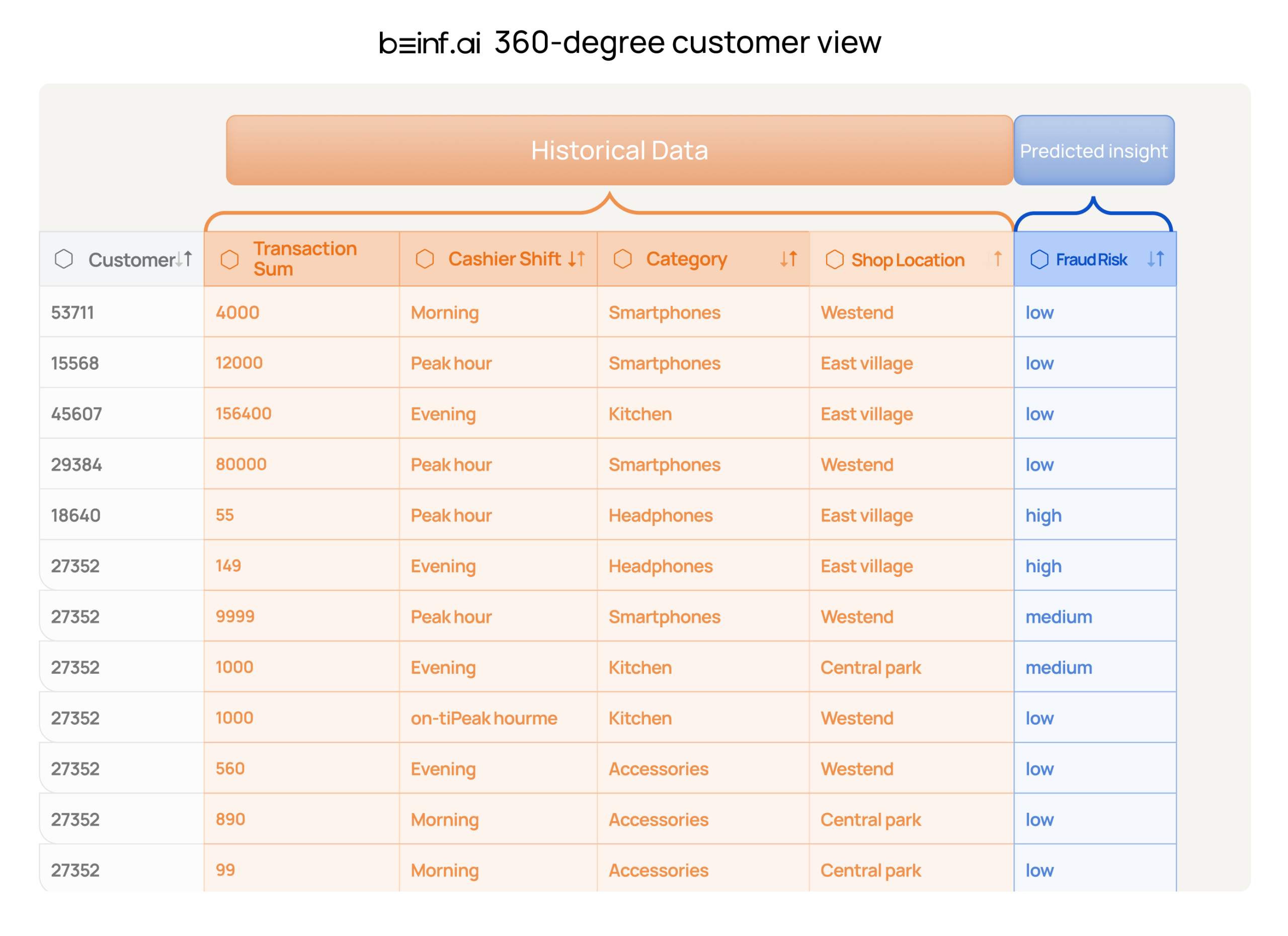
We used previous decisions by the security team as learning examples. The system learned which patterns led to confirmed fraud.
The model estimates the probability of bonus fraud. The goal is to identify cashiers using unauthorized cards. The result is a ranking for the security team.
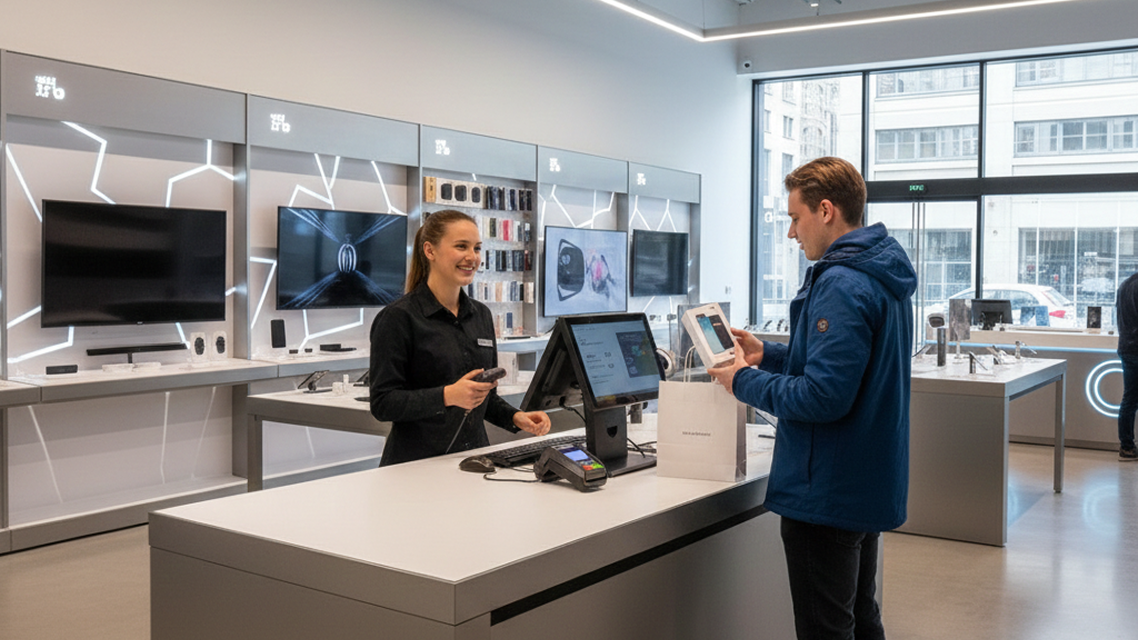
Since there were few confirmed cases, we focused on creating the best list for review. Each review provides new examples and makes the system more accurate.
The security team is now reviewing fewer transactions, but simultaneously detecting more fraud. This saves time and speeds up investigations. Each review generates new flagged examples, causing the fraud dataset to grow faster. Over time, this improves the accuracy and coverage of the scoring model.